A few small holes in roof trim can turn into a wet attic, damaged insulation, and a repair bill that surprises you. If you are asking, “Is woodpecker damage covered by insurance?” the honest answer is usually: it depends on your policy language, the cause of the damage, and whether the bird caused direct damage or exposed the home to later water intrusion.
Homeowners insurance is generally designed for sudden, accidental, covered events. Damage caused by maintenance problems, insects, birds, rodents, wear and tear, or repeated neglect is often excluded. That does not mean every claim involving a woodpecker is automatically denied. The details and timing matter, especially when a hole allows rain into the roof system.
How insurance usually treats woodpecker damage
Many homeowners policies treat birds as animals or pests and exclude damage they directly cause. A woodpecker drilling into fascia, siding, soffits, roof decking, or trim may be considered an ongoing maintenance issue rather than a covered loss. The same reasoning can apply to damage from squirrels, raccoons, and insects.
Still, woodpecker damage covered by insurance can be possible when another covered event is involved. For example, a storm might damage shingles, and a woodpecker might later enlarge an opening. In that situation, the insurer could separate the covered storm damage from the excluded bird damage. Another example is a sudden covered event that damages the roof and leads to interior water damage. The policy may cover some resulting damage even if it will not pay to remove a bird-created hole.
Look for terms such as animals, birds, pests, wear and tear, neglect, repeated seepage, maintenance, and ensuing loss. “Resulting damage” or “ensuing loss” provisions can be important, but they do not magically turn every excluded cause into a covered repair. Your adjuster will examine what happened first and what happened afterward.
A typical repair might cost $250 to patch exterior trim, $600 to replace damaged fascia, or $1,500 to $5,000 when roof decking, insulation, and interior drywall are involved. Those ranges are planning numbers, not promises. Location, access, materials, and the size of the affected area can move the price quickly.
What to do before filing a claim
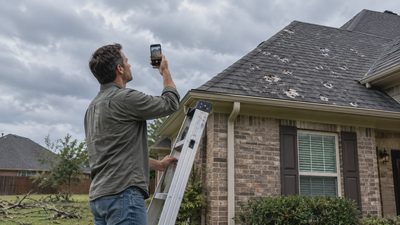
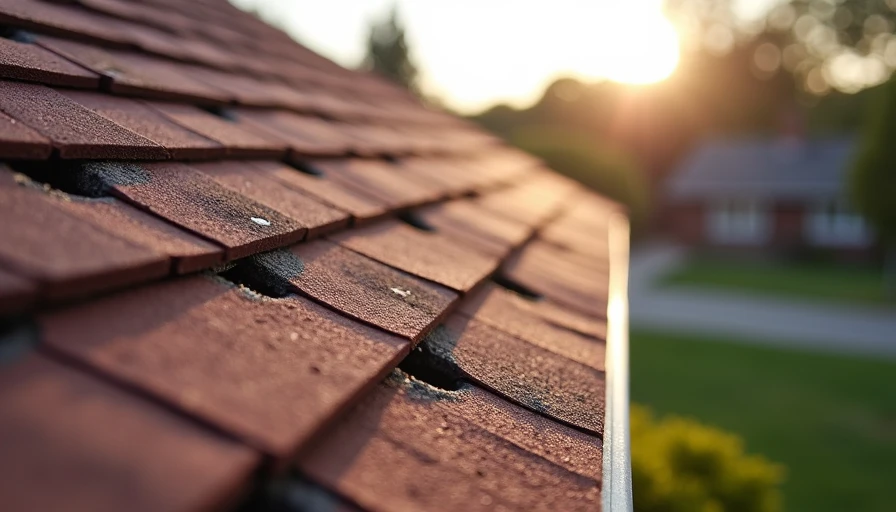
Start with photographs. Take close images of every hole, loose shingle, cracked board, droppings, exposed decking, and interior stain. Then take wider photos showing where the damage sits on the roof or exterior wall. Do not climb onto a steep or wet roof simply to get a better picture.
Next, write down when you first noticed the issue and whether there was recent hail, wind, heavy rain, or another event. A timeline is useful because an insurer will want to know whether the opening appeared suddenly or developed over months. Save invoices for emergency tarping, pest control, temporary repairs, and any inspection.
Have a qualified roofer or carpenter inspect the area, but do not authorize a full replacement before understanding the insurance position. Ask for a written report that identifies the suspected cause, the damaged materials, temporary protection needed, and whether water has reached the attic or living space.
If you submit a claim, give the facts plainly. Do not label the loss as storm damage if you only know that a bird made the hole. A misleading description can create bigger problems than a denial. Ask the adjuster which policy exclusion applies, whether any resulting interior damage is being considered, and what documentation would support your position.
When a denial does not end the conversation
If the carrier denies woodpecker damage covered by insurance, read the denial letter carefully. It should identify the policy language used to reach the decision. A quick phone explanation is not enough when you are facing several thousand dollars in repairs.
Compare the letter with your policy declarations and endorsements. Some homeowners buy endorsements that change coverage for specific perils or situations, although a standard endorsement does not automatically cover pest damage. If a storm also occurred, ask whether the insurer evaluated that portion separately instead of treating the entire loss as bird damage.
You can request a reinspection, provide a contractor report, or ask for a written explanation of how the policy applies. Keep communication factual and dated. If the claim involves significant interior damage or a disputed cause, a public adjuster or insurance attorney may be worth discussing. Their fees and role should be understood before you sign anything.
Do not let a contractor promise that a supplement will make an excluded repair covered. A supplement can document legitimate scope differences, such as additional decking or code-required work, but it cannot rewrite your policy. If someone says they can guarantee approval, slow the conversation down.
Paying when insurance covers only part of the work
Suppose your roofer quotes $4,800, your deductible is $2,000, and insurance approves $2,800 for a covered storm portion. The homeowner still needs to understand the payment schedule, depreciation rules, and whether the woodpecker-related work is outside the approved scope. If the carrier applies recoverable depreciation, that money may be released only after qualifying repairs and proof of completion.
For an uncovered repair, compare cash payment, a personal loan, and contractor financing. A $2,500 repair paid over 12 months at a promotional rate has a very different cost from the same amount spread over 36 months at a double-digit APR. A longer term can reduce the monthly bill while increasing total interest.
For example, a $3,000 balance at 12% APR for 24 months is roughly $141 per month, with about $384 in interest. A 12-month plan at the same APR is about $267 per month and costs less overall. The lower payment looks friendly, but the total cost is the number I would look at first.

Financing questions to ask before signing
If a roofing company offers financing for woodpecker damage covered by insurance disputes or other uncovered work, request the financing agreement separately from the construction contract. Confirm the APR, term, monthly payment, total payments, origination charges, late fees, and whether the lender charges interest from the purchase date.
Be especially careful with deferred-interest promotions. A plan advertised as no interest for 12 months may charge accumulated interest if the balance is not paid in full by the deadline. Ask for the payoff amount at months six, nine, and twelve so you know what must be paid before the promotion expires.
Also ask whether the contractor receives payment directly, whether partial payments are allowed, and what happens if the project is delayed. Never sign a blank completion certificate or allow insurance proceeds to be assigned without understanding the document. Financing should solve a payment problem, not hide a scope or coverage problem.
A practical next-step checklist
Photograph the damage, protect the opening from rain, and schedule an inspection from a qualified professional. Gather your declarations page, policy endorsements, deductible information, prior repair invoices, and any storm-date evidence. Ask the insurer to distinguish excluded bird damage from potentially covered storm or interior water damage.
Then obtain at least one detailed repair estimate. Compare the approved insurance amount with the contractor’s scope line by line. Identify your deductible, uncovered work, depreciation, and any code-related expense before discussing financing. If the remaining balance is $1,200, a short payment plan may be sensible; if it is $8,000, compare several lenders rather than accepting the first contractor offer.
Woodpecker damage covered by insurance is a policy question, not a sales promise. Get the cause documented, challenge unclear explanations politely, and calculate the complete repair cost before committing to a loan. Before you sign, make the payment make sense.