When hail rolls through Plano, the rhythm is predictable: adjusters get swamped, claim reviews slow to a crawl, and somewhere in the middle a roof starts leaking into a bedroom. That gap — between a roof that needs work now and an insurance check that hasn't arrived — is exactly where hail damage roof financing enters the conversation. It can be a sensible bridge across that gap, but only if you use it in the right order. Let me walk you through the order that keeps you safe, because the homeowners who get hurt here aren't the ones who waited. They're the ones who acted before they understood what they were signing.
The Gap Between the Storm and the Check
Here's what I want you to hold onto first: an insurance delay is not a reason to panic, and it's not a reason to sign the first contractor paper that promises to "handle everything." It's a reason to slow down and work the problem in sequence. The check will usually come — what you're managing in the meantime is the damage, the paperwork, and your own budget. Most of the trouble I've seen over the years didn't start with the storm. It started with a homeowner who felt rushed and made a financing or contracting decision in that rushed feeling.
Why Claims Slow Down After a Big Storm
After a large hail event, the backlog is real. Every roofer in the county is booking weeks out, adjusters are juggling more claims than usual, and insurance companies are reviewing estimates in the order they arrived. That's not a conspiracy — it's capacity. The practical result is the same either way: your roof can leak well before your claim settles. Understanding the common slowdowns helps you tell the difference between a normal delay and a problem with your own file, so let me list the usual suspects:
Adjuster backlog after a widespread storm, which pushes inspection dates out by days or weeks
A recoverable depreciation holdback, where the insurer pays the actual cash value first and holds the rest until the work is done
Supplement reviews, when the contractor's final price runs higher than the original adjuster estimate and the file goes back for another look
Paperwork gaps on your end, such as a missing signed proof-of-loss form or photos the adjuster asked for twice
Each of these has a different timetable and a different sensible response, and I'll give you a quick reference table further down. The short version: keep your file moving, keep your receipts, and don't let a delay turn into a decision you'll regret for five years.
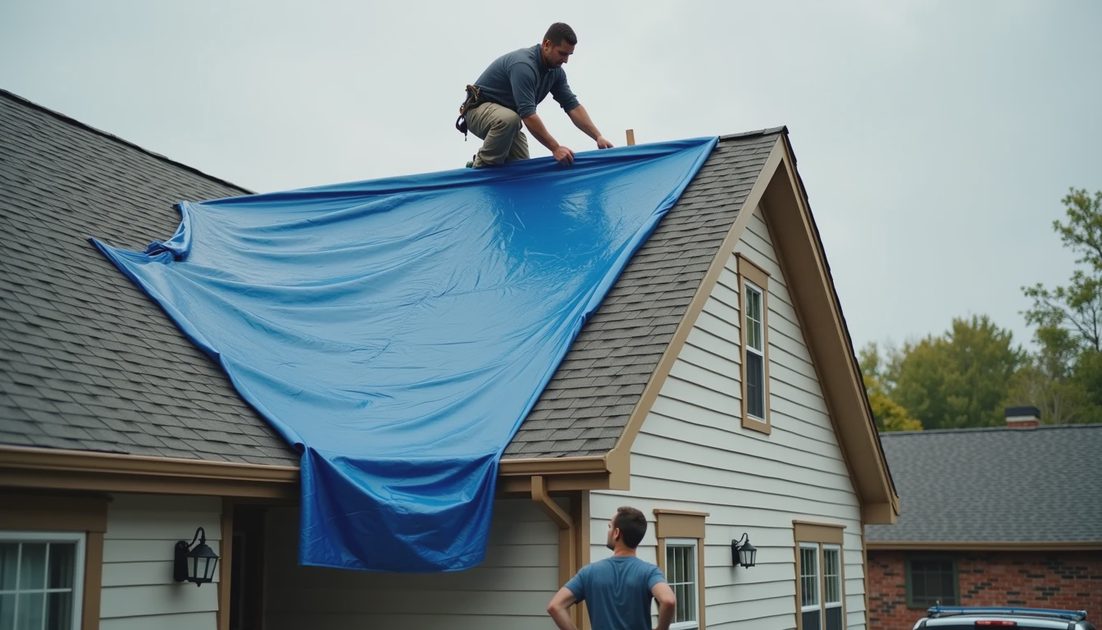
The Safe Sequence When the Roof Can't Wait
If water is coming through, your first job isn't financing — it's containing the damage. Then you work down the list in order, and financing comes later than most people think. Here's the sequence I walk homeowners through, in the order it should actually happen:
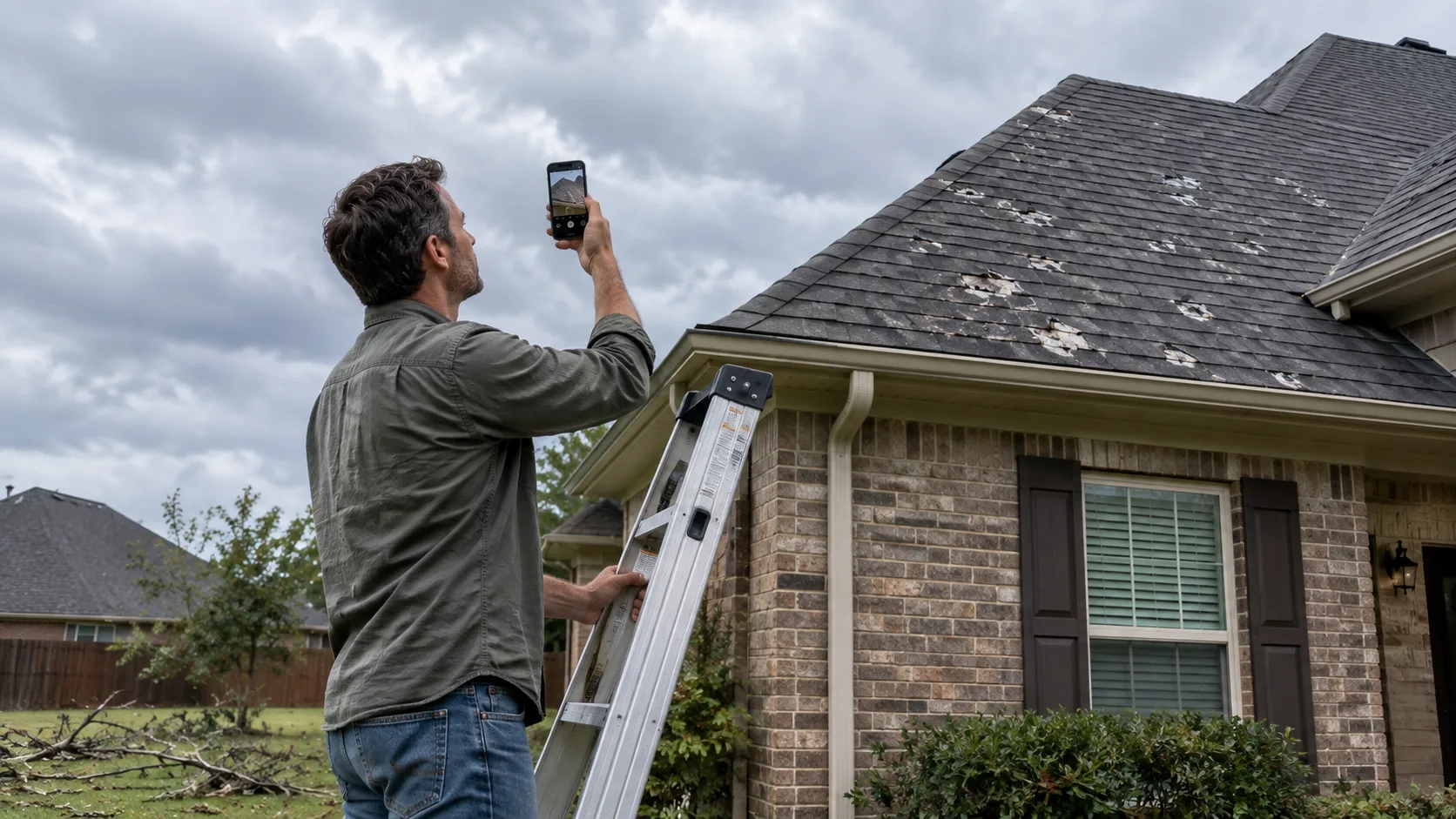
Document everything. Photograph the damage from the ground and the ladder, note the date, and keep the photos in a folder with your claim number on it.
Do emergency containment. A tarp, a patch, and a bucket cost far less than drywall and flooring, and reasonable emergency repairs are often something your policy may help reimburse — keep every receipt.
Ask your contractor to split the work into two lists: what has to happen now to stop the bleeding, and what belongs in the full replacement later.
Let the claim process for the full replacement, and only look at financing once the emergency list and the claim timeline are clear.
If financing is still needed to bridge the wait, compare it like any other loan — total cost, rate, and term — before anyone starts tearing shingles off.
That order matters because it protects you from the two most common mistakes. The first is paying twice for the same work — once out of pocket for the emergency repair and again when the claim pays for the full job without giving you credit for what you already paid. The second is signing a full replacement contract before the claim is settled, then owing the contractor a balance that the insurance check was supposed to cover.

How Hail Damage Roof Financing Bridges the Wait
Once you've contained the damage and the claim is moving, financing the gap can be a genuinely smart tool. A roof that can't wait two weeks for a check might be able to wait two days for a credit decision. And some homeowners finance the deductible, the non-covered upgrade, or the difference between what the insurer approved and what the contractor actually quoted. That's a legitimate use of insurance claim roof financing — it's borrowing to cover a defined, known gap, not borrowing to gamble on what the claim might pay.
The trap appears when the financing becomes a substitute for the claim instead of a bridge to it. Watch for contractors who push you to sign a financing contract that assigns your claim rights to them, or who steer you into a full replacement financed today while the claim is still undecided. If the insurance company later approves a lower amount than the financed total, that gap is yours to carry. The homeowners who use hail damage roof financing well treat it as a bridge with a planned payoff date, not as a way to dodge the claim conversation. A good contractor will put the claim number on the contract, itemize emergency versus replacement work, and show you in writing how the insurance payment and your financing fit together.
When Financing Is the Wrong Answer
Sometimes the right move is to slow down, not borrow. If the roof isn't actively leaking and the delay is a few weeks of adjuster backlog, a tarp and a repair list beat a five-year loan every time. And if a contractor makes you feel like the financing decision has to happen today or the price disappears, that pressure is itself a warning sign. Legitimate financing offers survive a night of sleep. Before you sign, make the payment make sense.
Delay Scenarios and How to Respond
Here's the quick reference I promised — common delays you'll actually meet, and the calm, practical response that fits each one.
What's happening | What it usually means | A sensible homeowner response |
|---|---|---|
Adjuster backlog after a big storm | Everyone's claim is slow; yours isn't singled out | Confirm your claim is in line, do emergency containment, avoid paying for full replacement out of pocket |
Depreciation holdback | Insurer pays actual cash value first, rest after work | Plan cash flow around two payments; don't treat the first check as the full settlement |
Supplement review | Final roof price exceeds the original estimate | Let the contractor document the supplement; keep your own copy of both numbers |
Paperwork gap on your file | Something the insurer asked for hasn't arrived | Send every requested document in writing and note the date you sent it |
Read your own row honestly. Most delays are normal, most are temporary, and very few of them require you to make an expensive decision at the kitchen table at nine o'clock at night.
The Paperwork Folder You Should Build
From the day of the storm, keep one folder — digital or paper — with every piece of this puzzle in it. Whether you end up using insurance claim roof financing or not, that folder decides how smoothly the whole process goes. When the claim, the contractor, and the financing all converge, that folder is what keeps you from being the least-informed person in the room:
Your claim number and the name and direct line of your adjuster
The original insurance estimate and any revised or supplemented versions
Photos of the damage with dates written on the back or in the file name
Receipts for tarps, patches, and any emergency work
The contractor's itemized breakdown separating emergency repairs from full replacement
The final financing offer with APR, term, and total of payments, if you use one
The Bottom Line
A delayed claim and a leaking roof is a stressful combination, and stress is exactly what bad deals feed on. Keep the sequence straight — contain, document, itemize, claim, and only then finance — and you'll usually find the gap is smaller than it looked from the driveway. When you do borrow, borrow for a defined amount with a clear plan for the insurance money, and never let a contractor's urgency become the reason you sign. Whether that gap gets covered by savings, the insurance check, or hail damage roof financing is a question you should answer calmly, with the folder open in front of you. The roof will get fixed. The claim will get paid. Make sure the loan you take in between is one you'd happily explain to your neighbor over the fence — because in Plano, they will ask.