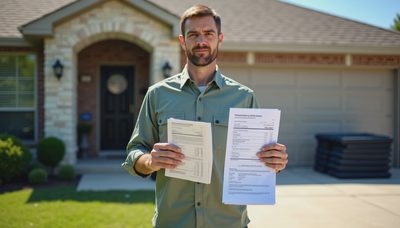

Every spring in Plano, we watch the sky the way other towns watch the scoreboard. When hail finally does hit, the conversation on my street shifts fast — from "did you see the size of those stones" to roof checks, insurance claims, and eventually to whether hail damage roof financing makes sense for the family down the road. What surprises people most is not the size of the repair bill. It is how much that bill grows when the roof sits untouched. Waiting on roof repairs after hail is rarely free, and the longer the wait, the more the cost stops being about shingles and starts being about everything underneath them.
Hail Season Is a Real Calendar in Texas
Texas weather runs on its own schedule, and hail is a regular part of it — most famously in the spring, with another round possible in the fall depending on the year. Homeowners who have been through a couple of seasons know the rhythm: storms roll through, and within hours the neighborhood hums with the sound of people checking gutters, fences, and roof valleys. Hail damage does not always announce itself loudly. Sometimes it is just scattered granules in the gutter and a few soft spots on the shingles that only show up close.
Why Timing Matters More Than It Looks
Here is the part that matters for your wallet. A hail-damaged shingle has lost part of its protective layer, which means the roof's first line of defense against water is already compromised. The next storm — the one that might have been harmless a year earlier — can push water into places that were only weakened before. What starts as a roof repair turns into decking replacement, ceiling work, or worse. Acting in a reasonable window after a hail event is not about panic. It is about fixing a small problem before weather turns it into a large one.

The Real Cost of Waiting Is Never Just the Roof
When a homeowner tells me they are thinking about waiting a year to replace the roof, I do not argue about the roof. I ask what else they are waiting on. Because the roof sits on top of the insulation, the attic, the ceilings, the drywall, and everything they own in those rooms. Water has a way of finding the path of least resistance, and a compromised roof gives it an open invitation.
The Next Storm Turns a Repair Into a Bigger Job
A repair that might have cost a few thousand dollars right after the storm can turn into a much larger project once water has been working behind the shingles. By the time you see a stain on the ceiling, the decking underneath may already be in trouble. That is the real math of waiting: the roof damage was always going to cost something, but the longer it sits, the more systems get pulled into the job.
Claims and Contractors Run on Their Own Clocks
There is a second cost to waiting that has nothing to do with water: timing. After a big hailstorm, contractors book out for weeks, adjusters get backlogged, and storm chasers appear in driveways overnight like mushrooms after rain. The homeowners who file their claims early and line up their quotes first tend to get the clearest look at their options. The ones who wait find themselves at the end of a very long line, sometimes negotiating with companies they have never heard of because the established crews are already booked.

The Financial Path After a Hail Claim
The standard path after hail damage looks something like this: document the damage, file the claim, get the adjuster's written number, compare it to the contractor's written quote, and then decide how to cover the difference. For most homeowners the question at that point is simple: can I cover it from savings, or does hail damage roof financing fit better? Most of that path is straightforward. The decision point is where homeowners usually need a little help.
When the Insurance Number Comes Up Short
Insurance rarely writes a check that matches a contractor's quote to the penny. Deductibles, depreciation, policy limits, and the difference between what the adjuster measured and what the roofer found can all create a gap between the payment and the price. When that gap shows up, you have a few honest options: cover it from savings, negotiate the scope with your adjuster if something was missed, or finance the difference. Financing that gap is where hail damage roof financing comes in — and for homeowners who already have an approved claim, insurance claim roof financing can be structured around the money you are expecting rather than the money in your checking account today. The numbers work out better when you know exactly what the claim paid and exactly what the roof will cost, so get both in writing before you borrow.
Stage of Storm Season | What Is Happening | What to Do |
|---|---|---|
First hours after hail | Damage can be easy to miss from the ground | Take photos from the ground and note the roof's age and any granule loss |
First week | Contractor phones ring off the hook | Gather two or three written quotes and check licensing and references |
Claim window | Adjusters begin scheduling inspections | File your claim early and keep your claim number and date handy |
Adjustment | Adjusters get backlogged after big storms | Ask for the written adjuster number and put questions in writing |
Scheduling | Roofing crews book out for weeks | Confirm the full scope in writing before any work begins |
Payment and gap | Insurance payment arrives, sometimes below the quote | Compare the numbers and decide how to cover the difference |
Documents to Keep From Day One
If there is one piece of advice I repeat more than any other after a hailstorm, it is this: keep every piece of paper from day one. Homeowners who organize their documents early have a much easier time at every stage, from the claim to the financing desk. Here is the file I tell neighbors to build:
The claim number, the date you filed, and the name of the adjuster assigned to you.
The adjuster's written report and the final payment breakdown.
Photos of the damage taken before any repair work begins.
Every contractor quote you receive, with the date on each one.
All written correspondence with the insurance company and the contractors.
Proof of the deductible you paid, since that number matters for the total you finance.
The final signed contract and any roof financing paperwork, kept together in one place.
That folder takes ten minutes to assemble and saves hours of scrambling later. When you sit down to compare the insurance number against the roof quote — or to talk to a lender about the gap — everything you need is already in your hands.
The Bottom Line on Waiting and Acting
After a Texas hailstorm, the roof damage was not your fault, but the decision about what happens next is yours. Acting in a reasonable window protects the structure under the shingles, keeps you near the front of the contractor and adjuster lines, and gives you the clearest picture of the money involved. When the insurance payment comes up short of the quote, that is a normal part of the process. For some families, insurance claim roof financing — structured around the money they are already expecting from the claim — is a sensible way to cover the difference. For others, hail damage roof financing covers the full replacement while the claim gets sorted out. Either way, it only makes sense if the monthly payment fits the budget. The roof is not going to fix itself, and the waiting rarely makes the numbers friendlier. Before you sign, make the payment make sense.