
Learning how to calculate roof square footage for financing quote planning can help you understand whether a contractor's price and proposed loan amount are reasonable. You do not need to climb onto the roof or own specialized equipment. With your home measurements, roof pitch, material allowance, labor, permits, and financing terms, you can build a useful preliminary estimate before signing anything.
A roofing contractor should still provide the official measurement. However, your own estimate gives you a reference point. If one contractor prices a roof at 22 squares and another prices the same home at 34 squares, that difference deserves a calm explanation. The goal is not to replace a professional takeoff. It is to make sure the payment conversation starts with believable project numbers.
Start with the home's footprint
The simplest calculation begins with the footprint of the house, not the sloped surface of the roof. Measure each rectangular section of the home from the ground, or use architectural plans, a county property record, or a satellite measuring tool as a rough starting point. Multiply length by width for each section, then add the sections together.
For example, imagine a one-story home with a 40-by-30-foot main section and a 20-by-10-foot garage. The footprint is 1,200 square feet plus 200 square feet, or 1,400 square feet. A simple low-slope roof might have a surface area close to that number, while a steeper roof will have more actual roofing area.
A roof is commonly priced by the square. One roofing square equals 100 square feet of roof surface. That means a 2,000-square-foot roof surface equals 20 squares before adding waste. Do not confuse the home's living area with the roof area. A two-story, 2,000-square-foot house may have a roof footprint closer to 1,000 square feet, while dormers, porches, valleys, and attached garages can change the result.

Adjust for roof pitch and design
Roof pitch describes how much a roof rises over a horizontal distance of 12 inches. A 6/12 pitch rises 6 inches for every 12 inches of run. The steeper the pitch, the greater the surface area compared with the footprint, and the more difficult the installation can be.
For a rough estimate, multiply the flat footprint by a pitch factor. Common approximate factors include 1.014 for a 2/12 pitch, 1.118 for a 6/12 pitch, and 1.414 for a 12/12 pitch. These are planning numbers, not a contractor's final measurement. A 1,400-square-foot footprint with a 6/12 pitch would produce about 1,565 square feet of sloped surface before accounting for roof sections that extend beyond the walls.
The calculation also needs to account for overhangs. A 12-inch overhang around a simple rectangle adds surface area beyond the wall footprint. Multiple roof planes, hips, valleys, skylights, chimneys, and attached structures make the estimate less predictable. Those features can increase labor even when they do not add many square feet.
This is where how to calculate roof square footage for financing quote planning becomes more than a multiplication exercise. A lender or contractor needs a realistic project amount, not merely the square footage listed on a tax record.
Add waste, accessories, and project costs
Roofing materials are ordered with a waste allowance because shingles must be cut around valleys, hips, edges, vents, and penetrations. A straightforward gable roof might use a waste allowance around 10 percent. A complicated hip roof or a roof with many dormers may require 15 percent or more. Your contractor should explain the allowance rather than quietly burying it in a large material quantity.
Suppose your estimated surface is 1,565 square feet. Adding 10 percent creates about 1,722 square feet of material, or 17.2 squares. A contractor may round the order to 18 squares. That does not mean the roof is 18 squares of finished surface; it reflects ordering and cutting requirements.
The financing quote can also include tear-off, disposal, underlayment, ice and water protection, drip edge, flashing, ventilation, permits, decking replacement, taxes, and upgraded materials. A roof loan based only on shingles can leave you short when the old roofing is removed. Ask for a line-item proposal showing what is included, what is an allowance, and what could become a change order.
Compare the roof estimate with the financing amount
Once you know how to calculate roof square footage for financing quote discussions, compare the estimated project cost with the amount being financed. For example, a $16,500 roof with a $2,500 insurance payment might require $14,000 in financing, depending on your deductible and claim terms. If the contractor presents a $20,000 loan, ask where the additional $6,000 goes.
The answer could be legitimate: decking repairs, gutters, ventilation, premium shingles, permit fees, or an unpaid deductible. It could also include optional upgrades you did not request. Get every item in writing before accepting the loan.
Here is the number I would look at first: the total amount repaid, not just the monthly payment. A $14,000 balance at 9.99 percent APR for five years produces a materially different cost from a promotional plan that requires payment in full before a deferred-interest deadline. A $350 payment can look comfortable while extending the obligation for several years. Ask for APR, term, finance charge, late fees, prepayment rules, and the exact payoff amount.
Use two measurements before signing
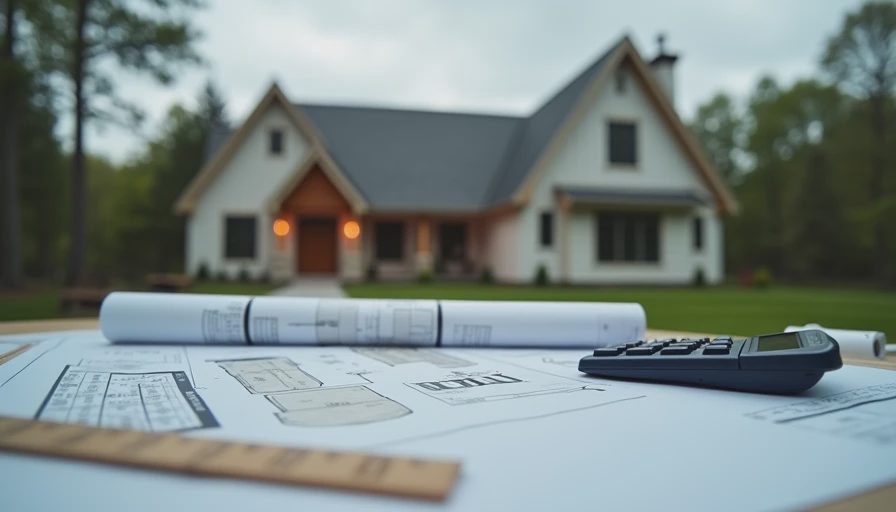
A practical homeowner check has two parts. First, estimate the area using the footprint, pitch, overhang, and waste. Second, compare that estimate with the contractor's written measurement report. If the numbers are close, move on to checking materials and contract terms. If they are far apart, ask the contractor to walk through the difference.
You can also request a roof diagram or aerial measurement report. Many contractors use software that outlines roof planes and calculates eaves, ridges, hips, and valleys. The report should identify the number of squares and any unusual access or safety requirements. You do not need to understand every technical label, but you should be able to connect the report to the proposal.
Do not let a salesperson rush you because a financing promotion supposedly ends today. A legitimate lender and reputable contractor should allow time to review measurements, insurance proceeds, and the repayment schedule. If a contractor refuses to explain how to calculate roof square footage for financing quote purposes, slow the conversation down.
A final financing checklist
Before signing, confirm the roof's estimated squares, pitch assumptions, waste percentage, tear-off scope, decking allowance, ventilation work, and material grade. Confirm whether the quote includes sales tax, permits, cleanup, warranties, and the insurance deductible. Then review the financing disclosure separately from the roofing contract.
Ask whether the credit application is a soft or hard inquiry, when interest begins, whether promotional interest is deferred or waived, and what happens if the balance remains when the promotion ends. Verify the lender's name, payment due date, cancellation terms, and whether the contractor receives payment directly. Never hand over a blank check or sign a document with an unfinished price.
Knowing how to calculate roof square footage for financing quote planning will not produce the contractor's final takeoff, but it gives you leverage. You can question a surprising square count, separate necessary work from upgrades, and borrow only what the project requires. Before you sign, make the payment make sense: understand the roof, the total cost, and the loan together.