
Window replacement financing can make a large home project manageable when several windows are drafty, damaged, or simply past their useful life. A whole-house project can easily run from $8,000 to $25,000 or more, depending on window count, frame material, installation difficulty, and glass features. The monthly payment matters, but it is only one part of the decision. Before you sign, make the payment make sense.
Start With the Full Window Project Cost
Get a written estimate before discussing the payment plan. The quote should identify the number of windows, brand or product line, frame material, glass package, trim work, disposal, permits, labor, and warranty coverage. A $12,000 quote and a $12,000 financed balance are not always the same. Some contractor programs add origination charges, dealer fees, or optional protection plans to the amount borrowed.
Here is the number I would look at first: the total amount you will repay. For example, a $12,000 project financed for 60 months at a fixed 9.99% APR costs roughly $255 per month and about $15,300 in total payments. A 96-month plan could lower the payment to around $183, but the total interest would be substantially higher. That lower number looks friendly on a kitchen notepad, but it can become expensive over time.
Ask whether the contractor’s window replacement financing offer is a true installment loan or a promotional account. A true installment loan usually shows a fixed payment schedule. A promotional account may offer no interest for a limited period, but the rules can be very different if the balance is not paid by the deadline.
Compare Loan Types Without Getting Lost
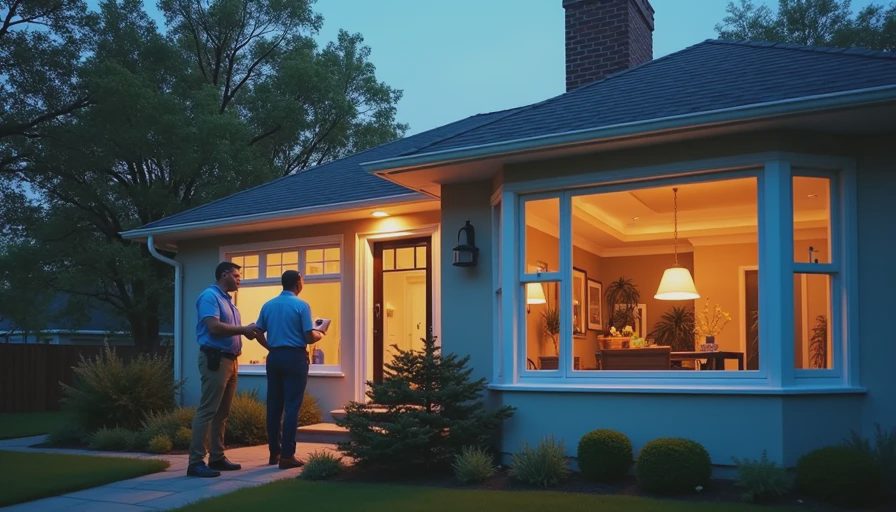
Homeowners typically compare three options: a personal loan, a contractor-arranged loan, and a home equity product. Personal loans from banks, credit unions, and online lenders often provide a clear fixed APR and a defined payoff date. They can be useful when you want to choose the installer separately from the lender. A credit union may offer competitive pricing, while an online lender may provide a faster application process.
Contractor-arranged window replacement financing is convenient because the installer handles much of the application. Promotional rates can be attractive, especially when a manufacturer or dealer is subsidizing the offer. Still, read the agreement yourself. Ask about the standard APR after the promotion, the minimum monthly payment, late charges, and whether the lender uses deferred interest.
Home equity loans and home equity lines of credit can offer lower rates because your home secures the debt. That security is also the risk. If payments become seriously delinquent, the consequences can be more severe than with an unsecured personal loan. A HELOC may have a variable rate, so a payment that fits today’s budget can rise later.
With any window replacement financing option, request the amount financed, APR, finance charge, number of payments, and total of payments in writing. Those figures let you compare offers that use different terms and sales language.
Understand Promotional Financing and Deferred Interest
The phrase “same as cash” deserves a slow reading. Some plans charge no interest if the entire balance is paid within a promotional period, such as 12 or 18 months. Others use deferred interest, meaning interest accumulates in the background and can be charged if the balance is not fully paid by the deadline. The difference between those structures can be worth thousands of dollars.
Suppose a $10,000 window project has a 12-month promotional period. Paying about $834 each month would clear the balance, before considering any fees. Paying only the required minimum might leave a large balance at month 12. If the contract adds deferred interest, the final bill could be much higher than expected. Do not assume that paying on time means paying the balance in time.
Set a calendar reminder several months before the promotion ends. Call the lender and request a payoff amount, not just the current statement balance. Also ask whether extra payments go directly toward principal and whether the account has a prepayment penalty. Most consumers want flexibility, and a penalty can reduce the benefit of paying early.
Match the Payment to Your Household Budget
A payment should fit after mortgage, utilities, insurance, groceries, car costs, childcare, and routine repairs. Do not build the budget around overtime, a tax refund, or a future bonus unless that money is highly dependable. A $250 payment can feel comfortable in spring and become stressful when property taxes, school expenses, or a major vehicle repair arrive.
Before accepting window replacement financing, test two payment amounts in your budget. First, use the advertised payment. Then add $50 or $100 to see whether early payoff would be realistic. If the larger amount breaks the budget, choose a term that works without relying on optimism. A shorter loan generally costs less interest, while a longer loan can preserve cash for emergencies.
You can also stage the work. Replacing the worst windows first may reduce the immediate balance, although separate installation visits can affect labor pricing. Ask the contractor whether partial completion changes the warranty, project discount, or per-window price. The cheapest monthly payment is not automatically the best plan if it leaves you paying for old windows and new debt at the same time.

Check Insurance, Warranties, and Contractor Terms
Homeowners insurance generally covers sudden, covered damage rather than ordinary aging, failed seals, or maintenance issues. If windows were damaged by a covered storm, ask the carrier what is included, what deductible applies, and whether matching requirements affect replacement. Do not borrow against an insurance payment until the claim amount and timing are clear. An insurance check may cover only part of the work, leaving a gap for upgraded glass, code requirements, or uncovered deterioration.
The financing agreement is separate from the contractor’s workmanship warranty. Confirm who services the loan if the installer closes, changes ownership, or stops answering calls. Ask for the manufacturer warranty, installation warranty, start date, cancellation terms, and lien-release process. Never let a salesperson rush you into signing because a promotional rate supposedly expires that afternoon.
A contractor who will not provide the finance disclosures, itemized quote, or license information is giving you useful information about how to proceed: slow down or walk away. Window replacement financing should support a sound project, not disguise missing details.
A Five-Minute Signing Checklist
Before signing, compare at least two written estimates and one outside financing quote. Confirm that the product, window count, installation method, trim, screens, disposal, permits, and cleanup match across bids. Then write down the amount financed, APR, monthly payment, number of payments, total repayment, first due date, and late-payment consequences.
Ask these practical questions: Is the rate fixed? Is interest deferred or simply waived? What happens if the project is delayed? Can I cancel before installation? Does a deposit go to the contractor or lender? Is there a prepayment penalty? Who handles warranty claims? What documentation proves the account is paid off?
Do not sign a blank completion certificate or authorize final payment before the agreed work is inspected. If the final project costs more than the approved balance, demand a written explanation and a revised contract. Financing extra work without understanding the new total is how a manageable repair turns into a long-term budget problem.
Window replacement financing can be a sensible tool when the windows are necessary, the contractor is qualified, and the repayment math is clear. Compare total cost before monthly payment, understand every promotional condition, and keep copies of all documents. A good plan should improve the home without creating a financial surprise six months later.